
How to Treat Pigmentation Effectively: Treat Pigmentation Options Explored
Pigmentation issues can affect anyone, causing uneven skin tone and dark spots that many find frustrating. Whether caused by sun exposure, hormonal changes, or skin injuries, pigmentation can impact confidence and appearance. Fortunately, there are several effective ways to treat pigmentation and restore a more even complexion. This article explores various treat pigmentation options, providing practical advice and insights to help you choose the best approach for your skin.
Understanding Treat Pigmentation Options
Pigmentation occurs when melanin, the pigment responsible for skin colour, is produced in excess or unevenly distributed. Common types include melasma, sunspots, and post-inflammatory hyperpigmentation. Understanding the cause of your pigmentation is crucial to selecting the right treatment.
There are multiple treat pigmentation options available, ranging from topical creams to advanced dermatological procedures. Some of the most popular and effective methods include:
Topical treatments: Creams containing ingredients like hydroquinone, retinoids, vitamin C, and niacinamide can lighten dark spots over time.
Chemical peels: These use acids to exfoliate the skin and promote new, evenly pigmented skin growth.
Laser therapy: Targeted laser treatments break down excess melanin and stimulate collagen production.
Microdermabrasion: A mechanical exfoliation technique that removes the outer skin layer to reduce pigmentation.
Sun protection: Daily use of broad-spectrum sunscreen is essential to prevent pigmentation from worsening.
Each option has its benefits and limitations, and often a combination of treatments yields the best results.
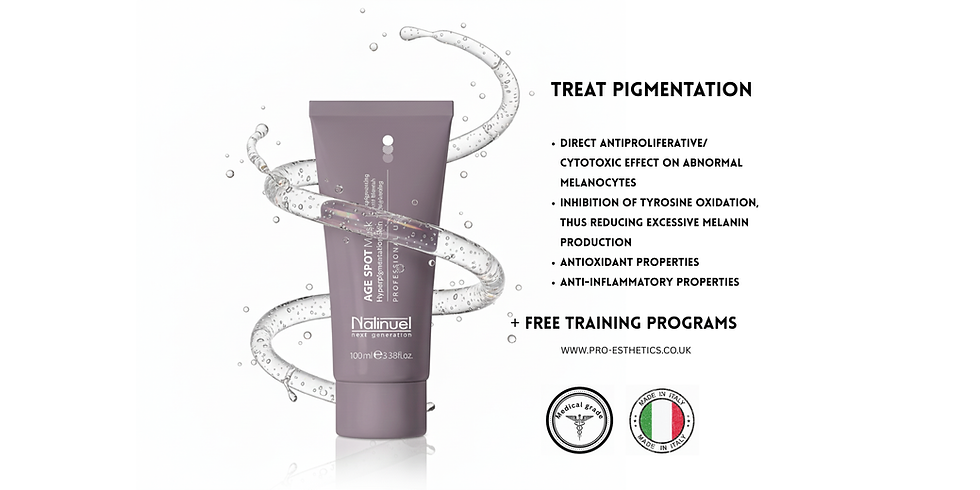
What Treatment Is Best for Pigmentation?
Choosing the best treatment depends on several factors including the type of pigmentation, skin type, and severity. Consulting a dermatologist is recommended to get a personalised plan. Here are some guidelines to help you understand which treatments might be most effective:
Mild pigmentation: Over-the-counter creams with ingredients like vitamin C or niacinamide can be effective. Consistent use over several weeks is necessary.
Moderate pigmentation: Prescription-strength creams containing hydroquinone or retinoids may be recommended. These accelerate skin cell turnover and reduce melanin production.
Severe pigmentation: Procedures such as chemical peels, laser therapy, or microdermabrasion are often more effective. These treatments require professional administration and may involve some downtime.
Maintenance: Regardless of treatment, daily sun protection is critical to prevent recurrence.
It is important to avoid harsh treatments that can irritate the skin and worsen pigmentation. Patience and consistency are key, as pigmentation treatment can take weeks or months to show visible improvement.
Lifestyle Changes to Support Pigmentation Treatment
In addition to medical and cosmetic treatments, certain lifestyle changes can support your efforts to treat pigmentation effectively:
Sun protection: Use a broad-spectrum sunscreen with at least SPF 30 every day, even on cloudy days. Wear hats and seek shade when outdoors.
Healthy diet: Foods rich in antioxidants, such as berries, leafy greens, and nuts, can help protect skin from damage.
Avoid picking at skin: Scratching or picking at acne or wounds can lead to post-inflammatory hyperpigmentation.
Gentle skincare: Use mild cleansers and moisturisers to avoid irritating the skin.
Hydration: Drink plenty of water to keep skin healthy and support natural repair processes.
These habits not only improve skin health but also enhance the effectiveness of any pigmentation treatment you choose.

How to Use Topical Treatments Safely and Effectively
Topical treatments are often the first step in managing pigmentation. Here are some tips to maximise their benefits:
Patch test: Before applying a new product to your face, test it on a small skin area to check for allergic reactions.
Follow instructions: Use the product as directed, usually once or twice daily. Overuse can cause irritation.
Combine with sunscreen: Many active ingredients increase sun sensitivity, so sunscreen is essential.
Be patient: Results can take 6 to 12 weeks to appear. Avoid switching products too quickly.
Consult a professional: If irritation occurs or if you have sensitive skin, seek advice from a dermatologist.
Common ingredients to look for include:
Hydroquinone: A strong melanin inhibitor, often used in prescription creams.
Retinoids: Promote skin cell turnover and collagen production.
Vitamin C: An antioxidant that brightens skin and reduces pigmentation.
Niacinamide: Reduces melanin transfer and improves skin barrier function.
Using these ingredients correctly can significantly improve pigmentation over time.
Advanced Procedures for Persistent Pigmentation
When topical treatments are insufficient, advanced procedures may be necessary. These should always be performed by qualified professionals to ensure safety and effectiveness.
Chemical peels: Different acids (glycolic, salicylic, lactic) are used depending on skin type and pigmentation severity. Peels remove the outer skin layer, revealing fresher skin underneath.
Laser therapy: Lasers target melanin and break it down. Types include Q-switched lasers and fractional lasers. Multiple sessions may be required.
Microdermabrasion: A less invasive option that exfoliates the skin surface to reduce pigmentation.
Intense Pulsed Light (IPL): Uses light energy to target pigmentation and improve skin tone.
These treatments often require some recovery time and post-care, including strict sun avoidance and moisturisation. Discuss risks and benefits with your dermatologist before proceeding.
Maintaining Results and Preventing Recurrence
Treating pigmentation is only part of the journey. Maintaining results requires ongoing care and vigilance:
Daily sunscreen use: This cannot be overstated. Reapply every two hours when outdoors.
Regular skincare routine: Continue using gentle products and antioxidants.
Avoid triggers: Hormonal changes, certain medications, and excessive sun exposure can cause pigmentation to return.
Follow-up treatments: Periodic maintenance sessions with your dermatologist may be necessary.
By adopting these habits, you can enjoy clearer, more even skin for the long term.
Pigmentation can be challenging to manage, but with the right knowledge and approach, it is possible to achieve significant improvement. Exploring various treat pigmentation options and combining them with healthy lifestyle choices offers the best chance for success. Remember, patience and consistency are essential, and professional guidance can help tailor treatments to your unique skin needs.
For more detailed information on pigmentation treatment, consult a skincare specialist or dermatologist.


Comments