
Why Chemical Peels Are Transformative for Your Skin
When it comes to skincare, many people seek treatments that can rejuvenate and refresh their complexion. One such treatment that has gained popularity for its remarkable results is the skin peel. Skin peels work by removing the outer layers of dead skin cells, revealing fresher, healthier skin underneath. This process can dramatically improve the appearance and texture of your skin, making it look more youthful and radiant.

The Benefits of Skin Peels for Your Complexion
Skin peels offer a variety of benefits that make them a sought-after option for those looking to enhance their skin’s health and appearance. Here are some of the key advantages:
Improved Skin Texture: Peels help smooth rough patches and reduce the appearance of fine lines and wrinkles.
Even Skin Tone: They can fade dark spots, sun damage, and hyperpigmentation, leading to a more uniform complexion.
Acne and Scar Reduction: By exfoliating the skin deeply, peels can unclog pores and reduce acne breakouts. They also help diminish the appearance of acne scars.
Boosted Collagen Production: The treatment stimulates collagen, which is essential for skin elasticity and firmness.
Enhanced Absorption of Skincare Products: After a peel, your skin can better absorb moisturisers and serums, making your skincare routine more effective.
These benefits make skin peels a versatile solution for many skin concerns, from ageing to acne and pigmentation issues.

How Skin Peels Work: A Simple Explanation
Skin peels involve applying a chemical solution to the skin, which causes the outer layers to exfoliate and eventually peel off. This process reveals new, regenerated skin that is usually smoother and less damaged. The strength and type of peel can vary depending on your skin type and the results you want to achieve.
There are three main types of peels:
Superficial Peels: These use mild acids like alpha hydroxy acid (AHA) to gently exfoliate the outermost layer of skin. They are ideal for mild skin issues and require little downtime.
Medium Peels: These penetrate deeper into the skin using trichloroacetic acid (TCA) or glycolic acid. They are effective for treating wrinkles, acne scars, and uneven skin tone.
Deep Peels: These use stronger chemicals like phenol to deeply penetrate the skin. They provide dramatic results but require a longer recovery period.
Choosing the right peel depends on your skin’s needs and should be done with professional advice.
How much do chemical peels typically cost?
The cost of skin peels can vary widely based on the type of peel, the clinic’s location, and the expertise of the practitioner. On average, superficial peels may cost between £50 and £150 per session.
It’s important to consider that multiple sessions may be needed to achieve the best results. Some clinics offer packages that reduce the overall cost per treatment. Always ensure you choose a reputable provider to avoid complications and get the best outcome.
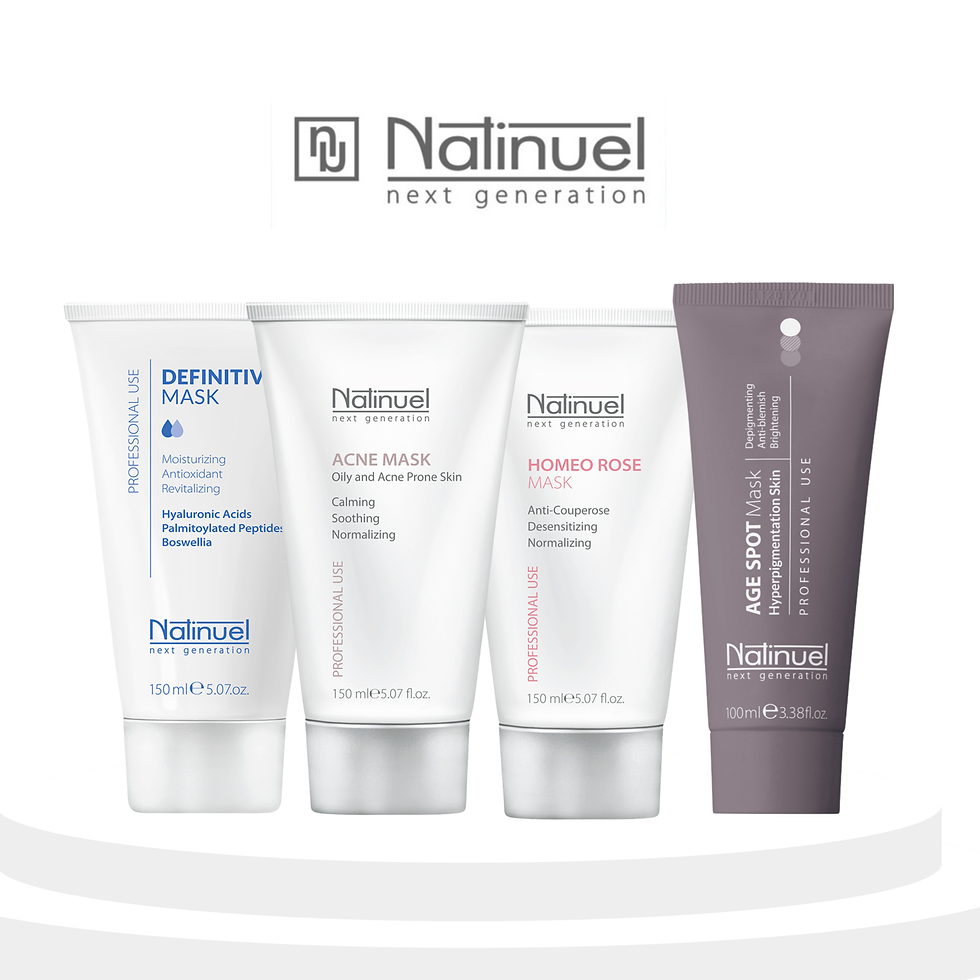
Aftercare Tips to Maximise the Benefits of Skin Peels
Proper aftercare is crucial to ensure your skin heals well and you get the most from your treatment. Here are some practical tips:
Avoid Sun Exposure: Your skin will be more sensitive after a peel, so use a broad-spectrum sunscreen with at least SPF 30 daily.
Keep Skin Hydrated: Use gentle moisturisers to soothe and hydrate your skin.
Avoid Harsh Products: Stay away from exfoliants, retinoids, and strong acids until your skin has fully healed.
Follow Professional Advice: Your skincare provider will give you specific instructions tailored to your peel type and skin condition.
Be Patient: Peeling and redness are normal and part of the healing process. Avoid picking or peeling the skin yourself.
By following these steps, you can protect your skin and enjoy the long-lasting benefits of your peel.
Why You Should Consider Professional Treatments
While there are at-home peel kits available, professional treatments offer several advantages:
Customised Care: Professionals assess your skin and recommend the best peel type for your needs.
Safety: Trained practitioners minimise risks such as burns, scarring, or uneven results.
Better Results: Professional-grade products and techniques provide more effective and longer-lasting improvements.
Support: You receive guidance before, during, and after the treatment to ensure optimal healing.
If you want to explore the transformative effects of chemical peels, consulting a skincare expert is the best first step.
Skin peels are a powerful tool for renewing your skin and addressing a variety of concerns. With the right treatment and care, you can enjoy smoother, brighter, and healthier skin that boosts your confidence every day.


Comments